1800-1200-2555
Internal Audit 101 : Everything You Should Know
Let’s be honest - hearing “internal audit” can instantly make people feel nervous or overwhelmed. For many, it brings to mind endless paperwork, awkward questions, or someone looking over your shoulder. Even in the best of situations, the thought of someone reviewing your work can feel uncomfortable or even intimidating. But here’s the truth: internal audits aren’t here to catch you doing something wrong; they’re here to help you do things right, protect your brand, avoid penalties, and build long-term trust with stakeholders.
By understanding what an internal audit is, what to expect during one, and how it adds value to your organization, you’ll see it in a new light. In this blog, we’ll break down everything you need to know about internal audits, clearly, simply, and without the scary stuff.
What Is an Internal Audit?
Internal auditing is an independent review process within a company that helps improve how things work. Internal auditors check the company’s systems, rules, and risk management to make sure everything is running smoothly and nothing important is being missed. This often includes looking at financial records, business processes, and whether the company is following laws and policies.
The main goal of an internal audit is to find problems early, suggest improvements, and help the business become more efficient and reliable.
As businesses expand and their operations become more intricate, the need for qualified internal auditors continues to increase. Many professionals choose to build their knowledge through programs like the QIA (Qualified Internal Auditor) certification by the Academy of Internal Audit (AIA), which prepares them to handle real-world audit challenges with confidence.
What Is the Role of Internal Audit in Organizations?
The role of the internal audit is to act as a trusted advisor within the organization. Internal auditors are unbiased professionals who work independently, free from internal politics or personal agendas. Their main task is to evaluate how well the company’s systems, controls, and processes are working, and whether they align with policies, standards, and regulations.
Internal auditors conduct thorough reviews to evaluate how well a company manages its financial reporting, IT systems, supply chain, risk controls, and overall operational efficiency. These audits help identify gaps, risks, or inefficiencies before they become serious issues.
Some internal auditors work across all departments, while others specialize in specific areas like finance, cybersecurity, or compliance. As businesses face growing challenges in 2025, the need for trained internal auditors is on the rise, leading many professionals to upskill through structured programs like the QIA (Qualified Internal Auditor) certification, CIA, etc.
What Is the Purpose of an Internal Audit?
The main aim of an internal audit is to support organizations in improving their operations, enhancing safety, and making smarter decisions. It’s not just about finding mistakes, it’s about making improvements that add real value. Here's what the main aim of conducting internal audits is:
What Are the Types of Internal Audits?
Internal audits can focus on different areas depending on what an organization needs and where its biggest risks lie. Let’s explore the types of audits that come up most often in real-world audits:
1. Financial Audits :
These audits look into a company’s financial statements, accounting practices, and transactions to ensure everything is accurate, transparent, and in line with financial regulations.
2. IT or Technology Audits :
These reviews focus on the company’s IT systems, checking for cybersecurity risks, data protection measures, and overall system efficiency to ensure everything is secure and compliant.
3. Compliance Audits :
The goal here is to make sure the company is following relevant laws, industry regulations, and internal policies. This helps reduce the risk of legal trouble, reputational damage, and financial penalties by keeping everything aligned with required standards.
4. Operational Audits :
These audits dig into how the business runs day-to-day, analyzing workflows, processes, and systems to find inefficiencies and suggest ways to boost performance and cut unnecessary costs.
5. Forensic Audits :
When fraud or misconduct is suspected, forensic audits come into play. They involve deep investigations of financial data to uncover wrongdoings. Their findings are often used in court or formal investigations, helping organizations fix issues and strengthen financial integrity.
6. Strategic Audits :
These audits look at whether a company’s activities and decisions are aligned with its long-term goals. They support leadership in making smarter, strategy-driven decisions that fuel sustainable growth.
How to Start Your Career in Internal Audit with the Right Courses in 2025
Thinking about stepping into internal auditing in 2025? You’re making a smart move. With businesses becoming more risk-aware and regulation-heavy, internal auditors are in high demand, and choosing the right certification can open doors to top opportunities across industries. Here’s a quick look at some of the most trusted and career-focused courses to help you get started:
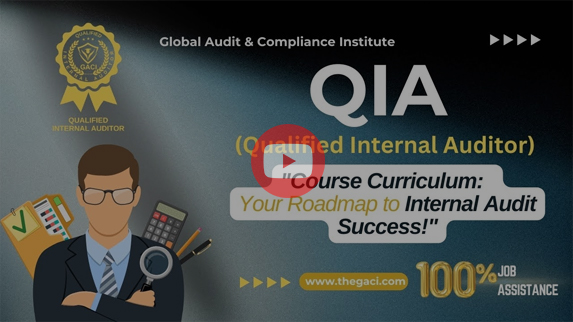
1. Qualified Internal Auditor (QIA) – Academy of Internal Audit :
The QIA certification from the Academy of Internal Audit is one of the most practical and beginner-friendly ways to launch your internal audit journey. Whether you're new to the field or want to level up your skills, this course covers everything from risk management and audit planning to reporting and internal controls. It’s designed with real-world audit scenarios in mind and aligns with the latest IAO standards. Flexible, industry-relevant, and recognized globally.
2. Certified Internal Auditor (CIA) – Academy of Internal Audit :
The CIA designation is well-known across the globe and is best suited for professionals who already have some experience or a background in accounting or auditing. Offered by the Academy of Internal Audit, it includes a three-part exam and requires practical experience. The course focuses on in-depth audit procedures, governance, and risk management, making it a powerful credential for long-term growth in the field.
3. Certified Fraud Examiner (CFE) :
The CFE certification helps professionals become skilled in fraud detection, prevention, and investigation. It’s especially valuable if you work in internal audit, risk, finance, or compliance. With global recognition, CFE adds a sharp edge to your profile, ideal for those planning to explore forensic auditing or move into specialized fraud roles.
Also Read : Become a CFE-certified expert in just 30 days with the right strategy and support.
How the Internal Audit Process Works (Step-by-Step)
Internal audits follow a structured process to ensure every important detail is reviewed thoroughly. Here’s a breakdown of how internal audits usually work in real business settings:
Step 1 : Planning the Audit :
Every successful audit starts with a solid plan. Internal auditors first identify the key areas of risk within the organization. They meet with leadership to understand business priorities and concerns. Based on this, they prepare an audit scope, set clear objectives, and outline what areas will be reviewed. A well-prepared audit plan helps focus on what matters most and avoids wasting time on low-risk areas.
Step 2 : Understanding the Process :
Before digging in, auditors take time to understand how things work. They meet with different teams, study internal processes, and review company policies. This step helps auditors map out how tasks flow, who does what, and what controls are already in place.
Step 3 : Fieldwork & Testing :
This is where the real audit work begins. Auditors start collecting data, checking reports, observing how teams operate, and testing whether controls are working effectively. They may ask for documents, conduct interviews, and look at samples of transactions. This is where you find out what’s effective and what could use improvement.
Step 4 : Analyzing Findings :
After collecting the information, auditors start piecing everything together to make sense of the bigger picture. Auditors carefully analyze everything they’ve found to identify risks, gaps, or inefficiencies. They compare actual performance with company policies or industry standards. The idea is to find problems before they grow and offer real solutions that help improve and protect the system.
Step 5 : Reporting Results :
After analysis, auditors prepare a detailed report. This includes key findings, the risks involved, and suggested action steps. The report is shared with leadership and relevant teams, so they can take timely action and make informed decisions.
Step 6 : Follow-Up :
A good audit doesn’t end with a report. Internal auditors follow up after some time to see if the recommended changes were made. They check if the fixes worked or if more action is needed. This final step ensures that improvements are not just planned, but implemented.
Internal Audit Reports: The 5 Cs of Audit Explained
Internal audit reports are typically structured around what's known as the '5 Cs of Audit reporting.' These key elements help address important questions within the report.
1. Condition :
This describes what is happening. It simply describes what’s happening right now or what issue was uncovered during the audit. For example, "Invoices are being approved without proper documentation."
2. Criteria :
This tells us what should be happening. It refers to the standard, policy, or rule the company is supposed to follow. It sets the benchmark for comparison.
3. Cause :
This explains why the issue occurred. It could be due to a lack of training, weak systems, or unclear procedures. Identifying the root cause helps fix the real problem.
4. Consequence :
This part of the report explains what could go wrong and how it might affect the business. It can cause real problems, like cash flow issues, lost profits, or even legal penalties.
5. Corrective Action :
Finally, this outlines what needs to be done. It includes suggestions and practical steps the organization can take to solve the issue and prevent it from happening again.
Internal vs. External Audits: What’s the Real Difference? :
Both types serve different purposes and are handled by different people. Here's a quick comparison to make it easy to understand:
| Aspect | Internal Audit | External Audit |
|---|---|---|
| Purpose | To improve internal processes, risk management, and operational efficiency | To offer a fair and unbiased review of the company’s financial records. |
| Conducted By | A dedicated team within the company or professionals hired from outside to perform internal audits. | Independent auditors from an external audit firm |
| Focus Area | Business operations, internal controls, risk, compliance, and efficiency | Financial records, statements, and accounting accuracy |
| Reporting To | Management and the Audit Committee | Shareholders, investors, and regulatory bodies |
| Frequency | Ongoing or as per internal audit plan (monthly/quarterly/yearly) | Usually, once a year |
| Independence Level | Independent from departments but part of the organization | Completely independent from the organization |
| Regulatory Requirement | Not always required by law, but highly recommended for strong governance | Required under regulations for big corporations and businesses that are publicly traded. |
Also Read : See how your skills can smoothly lead you toward becoming a professional Certified Internal Auditor.
Why Internal Audit Matters More Than Ever in 2025
In 2025, internal audit will become more essential than ever before. As businesses deal with fast-changing technology, rising cyber threats, and growing regulatory demands, having a strong internal audit function is critical. Internal auditors help protect data, ensure compliance with new laws, and support better decision-making by verifying the accuracy and reliability of internal processes. They also play a key role in spotting inefficiencies, reducing waste, and improving how businesses operate from the inside out.
Many professionals are choosing to prepare through industry-relevant programs like the QIA (Qualified Internal Auditor) certification, which focuses on building practical, globally respected auditing skills. With companies expanding globally, internal audits also help navigate international risks, fraud prevention, and cross-border regulations. Simply put, they help businesses stay in control and ahead of potential problems. Because of this growing importance, there’s now a higher demand for skilled internal auditors who can handle real-world challenges.
Conclusion
Internal audit is all about helping businesses to grow stronger from the inside out. In 2025, when risks are higher and expectations are sharper, having an internal audit function means you're not just reacting to problems, you’re staying ahead of them. Whether it’s catching small issues before they snowball, ensuring your business stays compliant, or simply making things run smoother, internal audits play a big role in building trust and long-term success.
If you’re someone looking to step into this field or sharpen your expertise, there’s never been a better time. Programs like the QIA (Qualified Internal Auditor) certification are designed to give you practical, real-world skills that today’s businesses are actively looking for.
FAQs
1. Why is an internal audit important? :
Internal audits help organizations stay in control. They spot problems early, improve systems, reduce risks, and ensure the company is following rules. It’s like a routine check-up for your business health.
2. Does the internal audit report to management? :
Yes. Internal auditors report their findings to senior management and often to the audit committee. This ensures transparency and allows leadership to take timely, informed actions.
3. What does an internal auditor do? :
Internal auditors review company operations, controls, and risks. They look for gaps, suggest improvements, and help teams follow processes that keep the business safe and efficient.
4. What qualifications do internal auditors need? :
Many internal auditors’ jobs or vacancies come from finance, business, or compliance backgrounds. To build strong skills and credibility, many professionals pursue certifications like the QIA (Qualified Internal Auditor).
5. Can internal auditors audit their own work? :
No. To remain unbiased, auditors should not review areas they are directly involved. Independence is key to providing a fair and objective audit.